
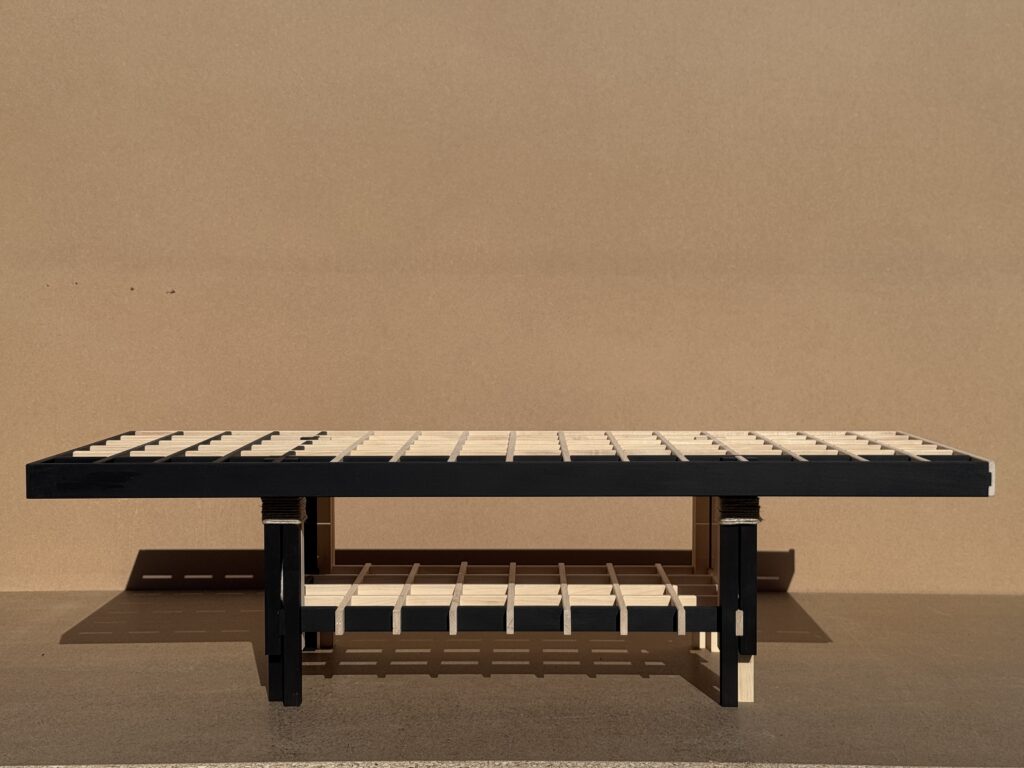
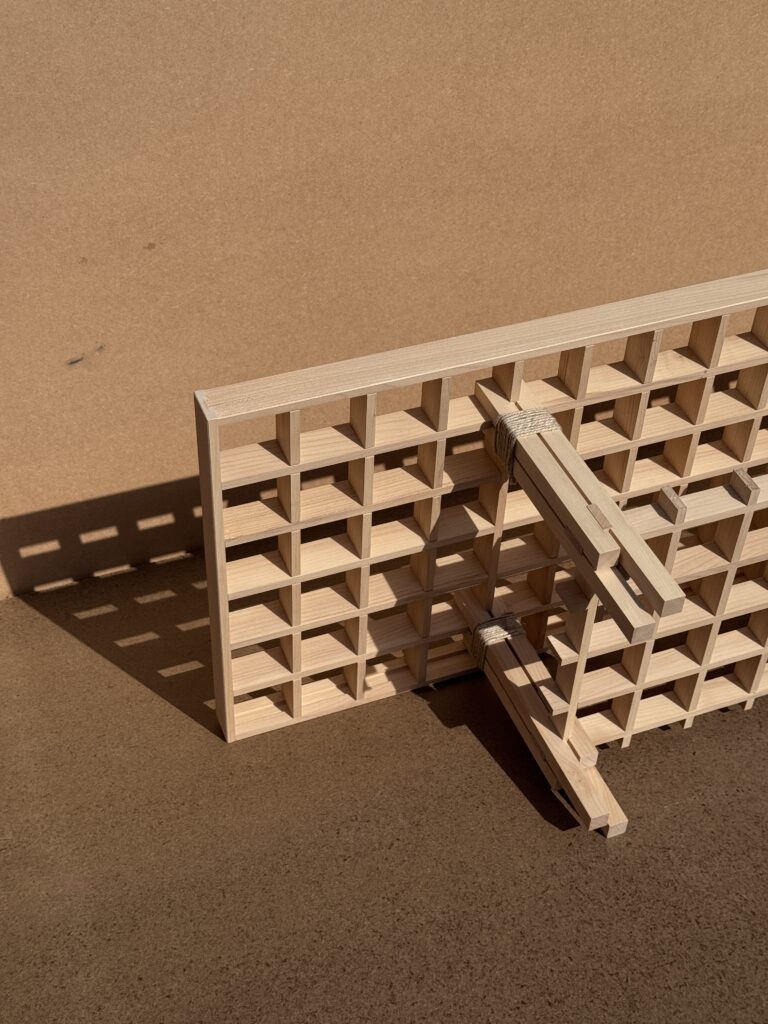
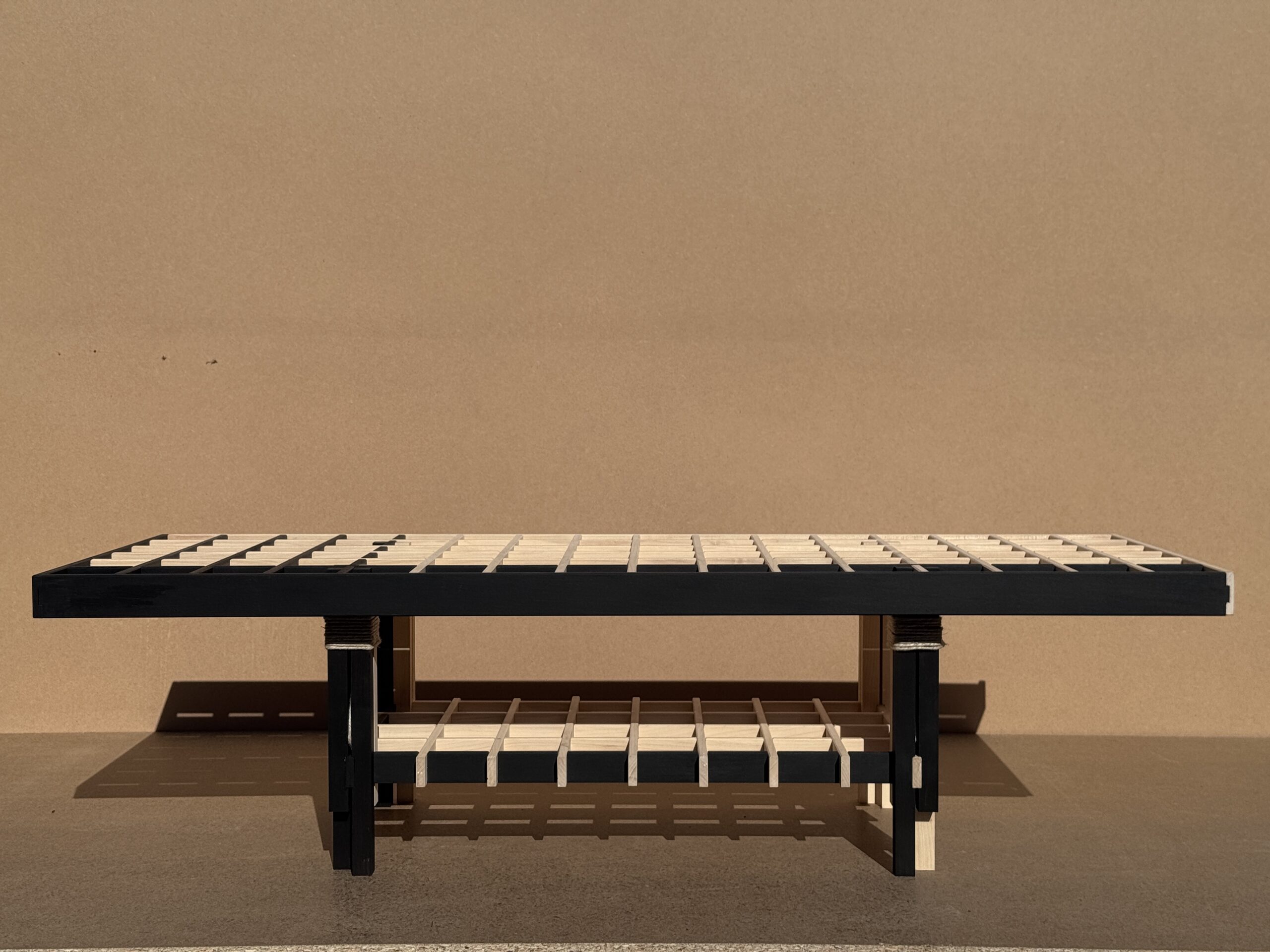
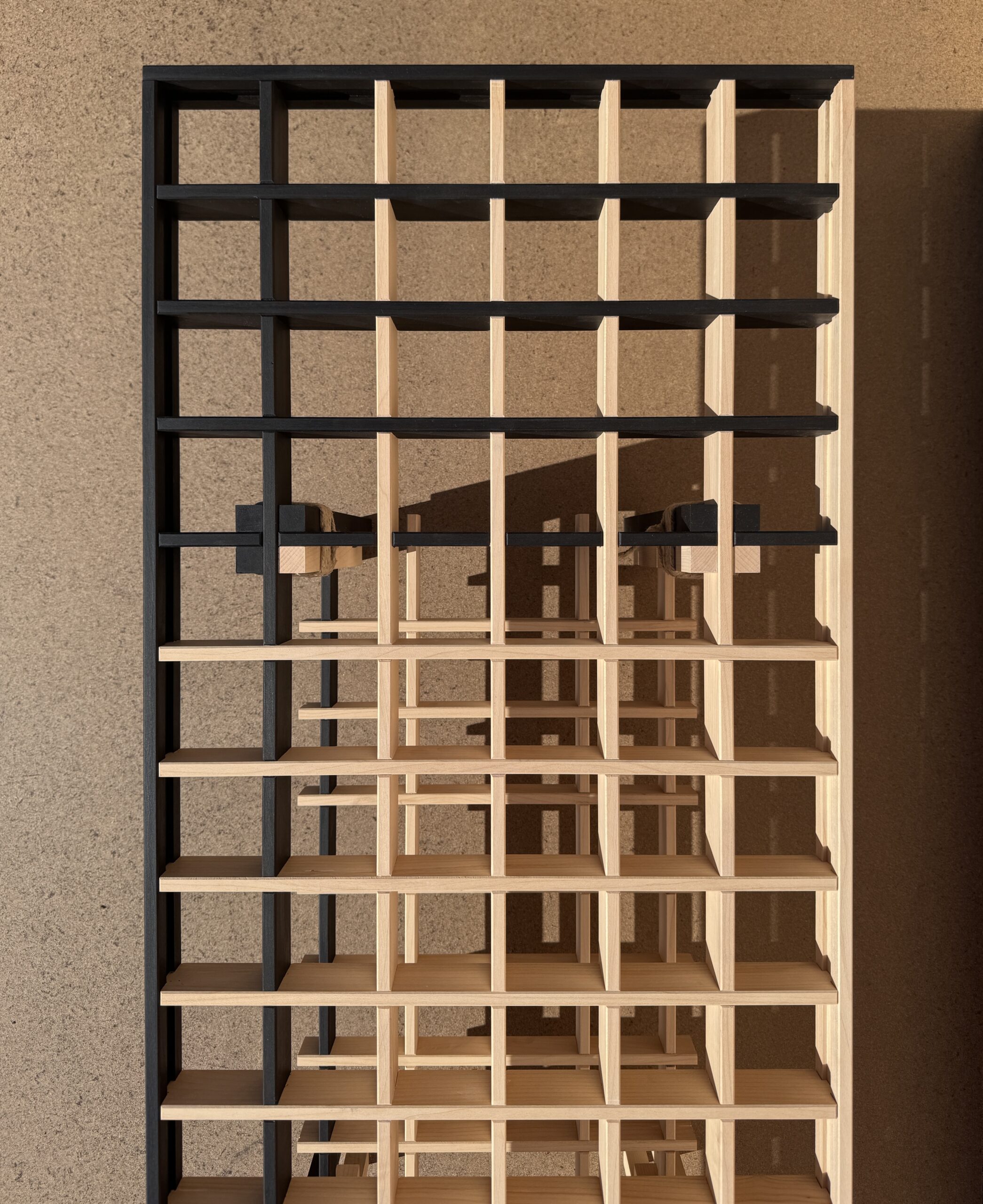
A table that reads as structure rather than volume. MATE appears as a light, open grid — its presence defined by rhythm, proportion, and the spacing between elements rather than solid mass. From a distance, it forms a calm, horizontal plane; up close, the layered construction and depth of the frame become apparent. It supports everyday use while maintaining a sense of visual permeability.
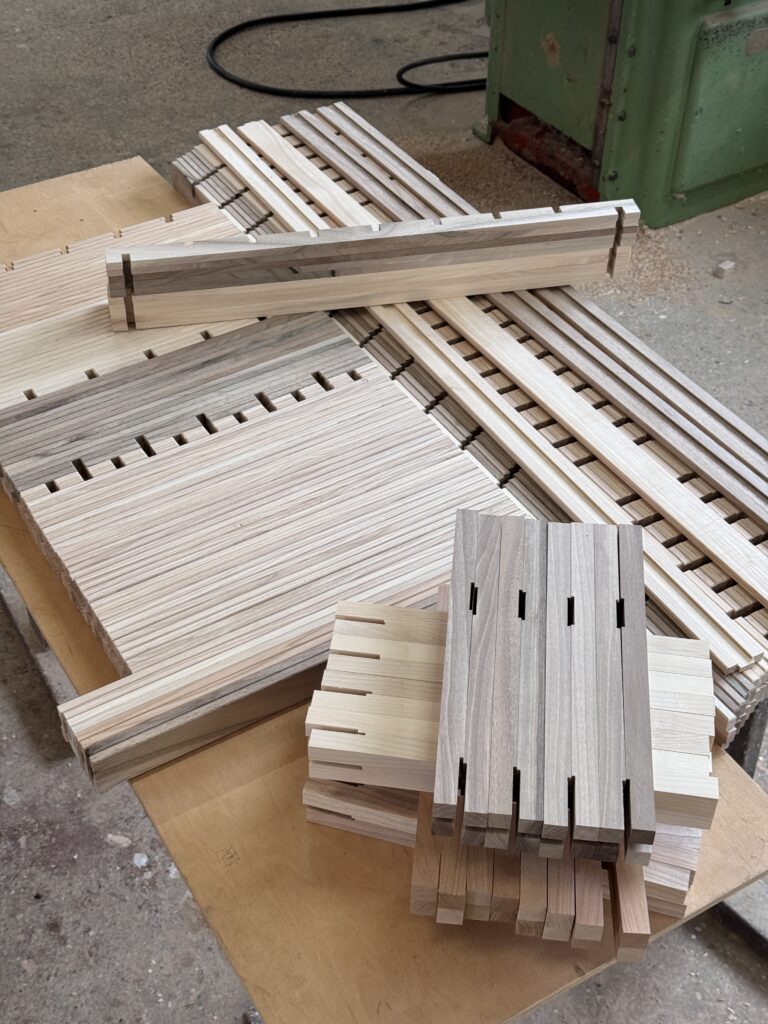
The design is based on a modular wooden framework composed of repeated sections. Rectangle-profile elements form a lattice structure, dimensioned to provide stability with minimal material use. The construction relies entirely on traditional joinery — mortise and tenon connections, half-laps, and wooden bindings — eliminating the need for screws or metal fasteners. This allows the object to be assembled and disassembled without tools, maintaining both structural integrity and clarity.
Optional inserts or a glass top can extend its use, without altering the underlying logic. The system remains legible in all configurations, preserving its open character.
MATE integrates into spaces that value material honesty and clarity of structure. It offers a light yet stable surface — where construction, proportion, and restraint define its presence.
Our Other Products
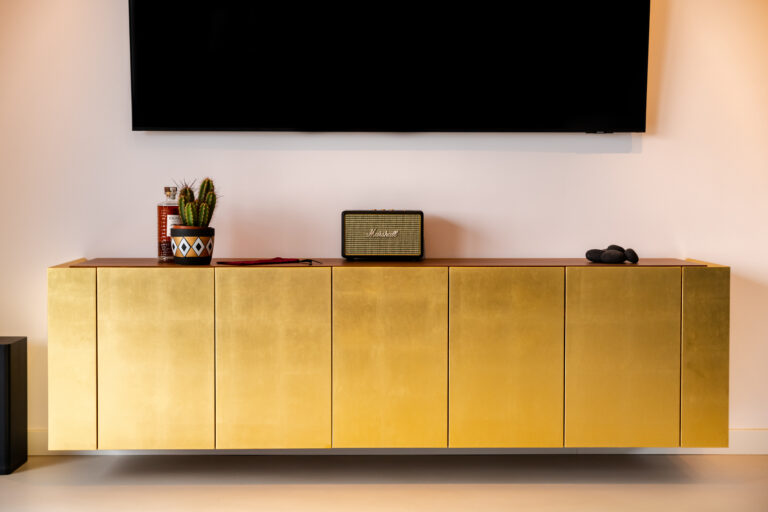
AU79, Console
The AU79 console is a balanced, material-rich piece, where gold, walnut and lacquered surfaces meet in a restrained contrast, forming a refined, quietly confident limited-edition object.
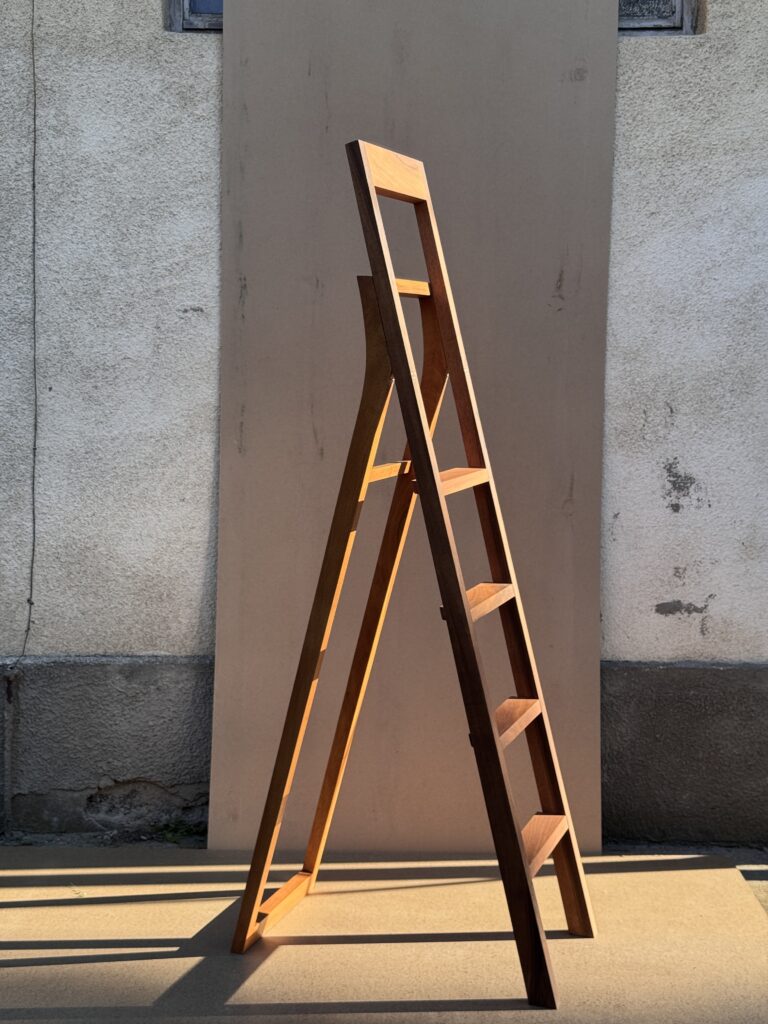
LIBRARIAN, Ladder
A solid wood and metal ladder defined by structural clarity, natural material contrast, and a balance between sculptural stillness and functional lightness.
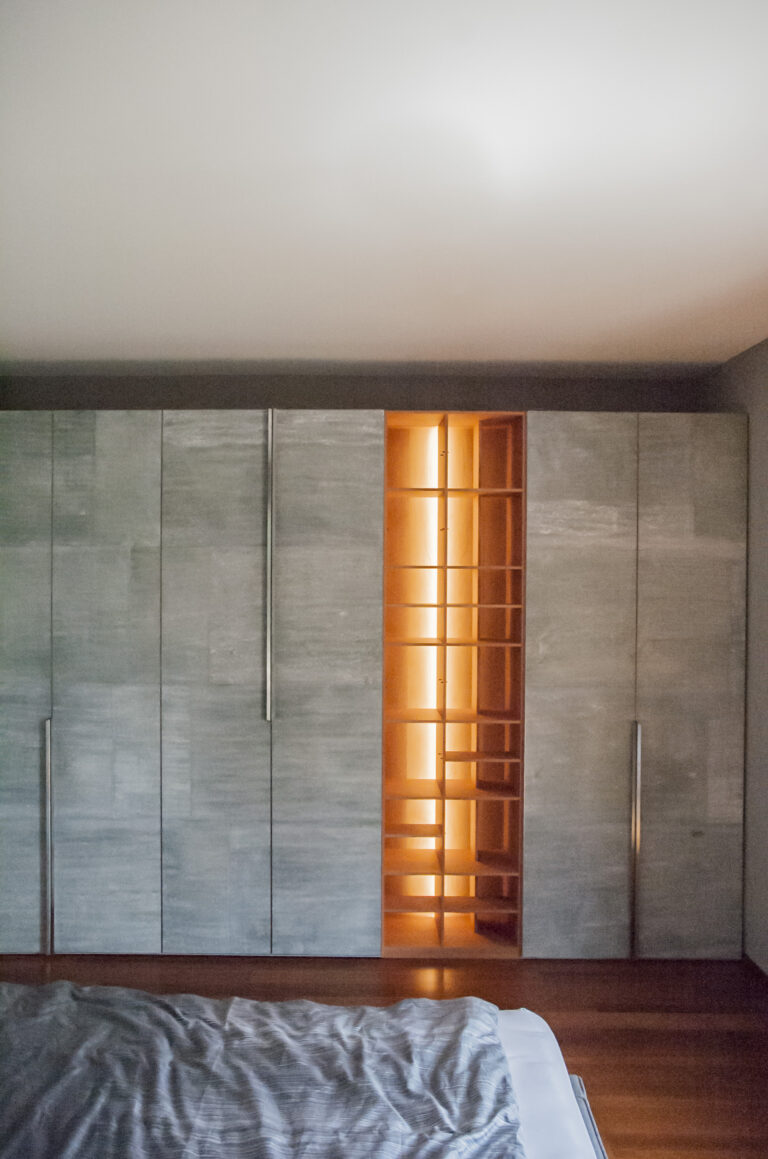
PALA, Storage wall
A built-in storage system defined by a balance between monolithic mass and inner lightness — a layered interplay of natural mineral surfaces and warm wood.
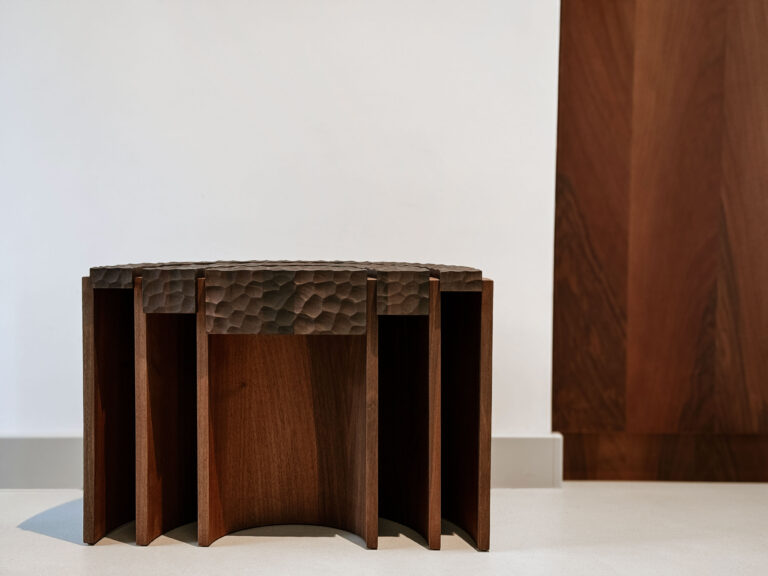
PLINTH, Postament / Bench
A compact object balancing solid mass with tactile softness — defined by natural rhythm and material depth.
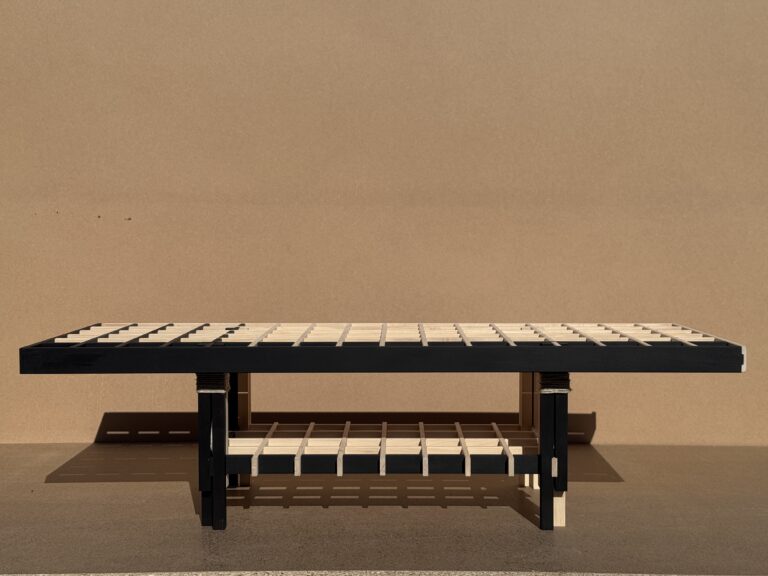
MATE, Coffee table
A solid wood side table defined by a light structural rhythm and material efficiency — balancing openness with stability.
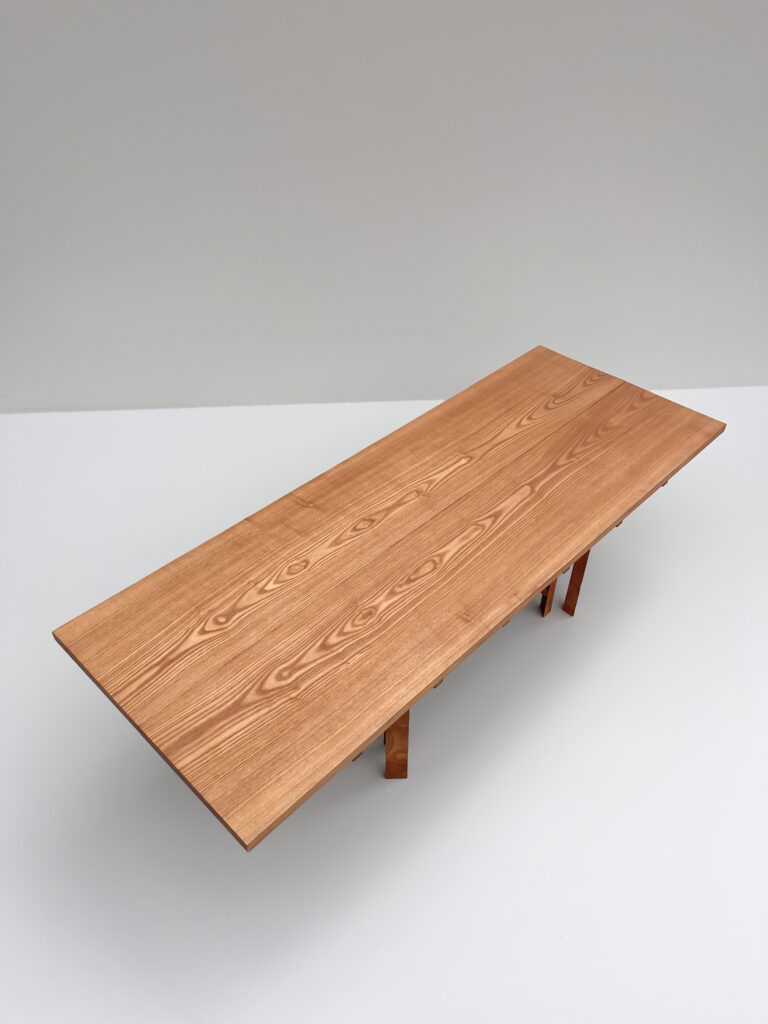
LEVI, Coffee table
A solid wood table defined by rhythmic structure, natural materiality, and a balance between weight and perceived lightness.
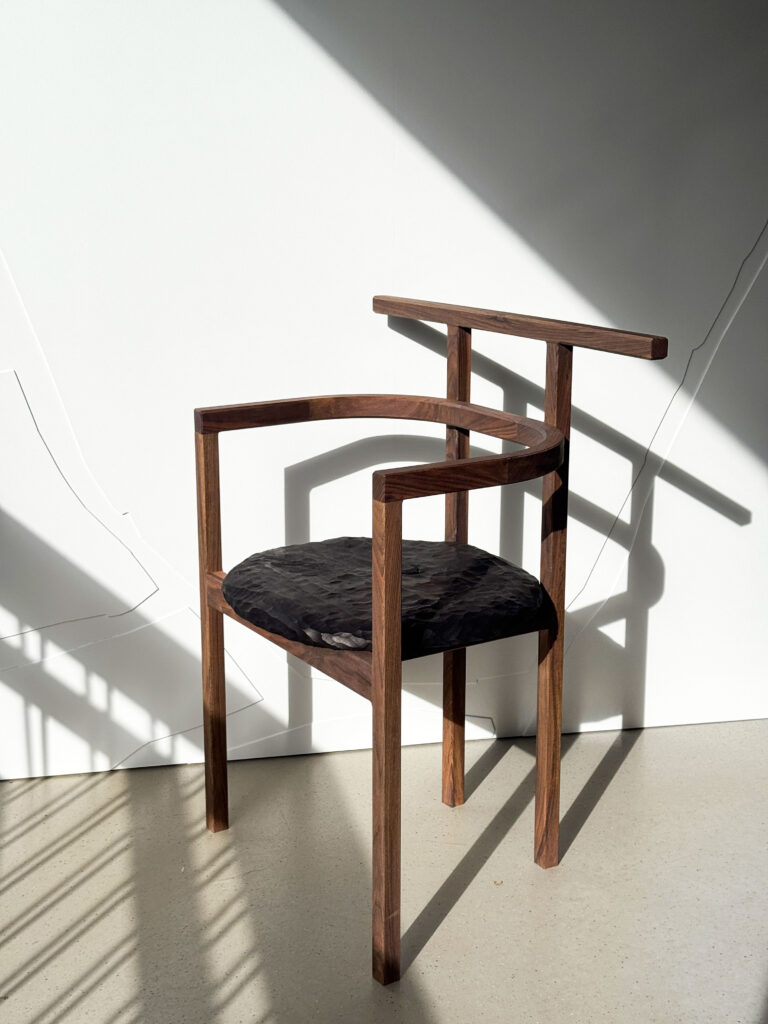
ENEH, Chair
A solid wood chair balancing precision and flow — defined by disciplined structure and a quiet, curved movement.
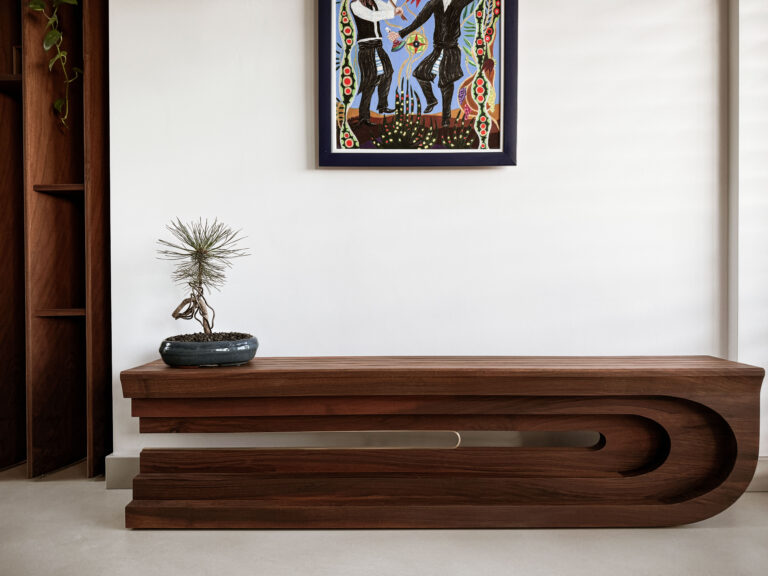
LAYING ROMAN, Sidetable
A solid walnut object balancing mass and suspension — defined by disciplined geometry and a deeply carved inner volume.
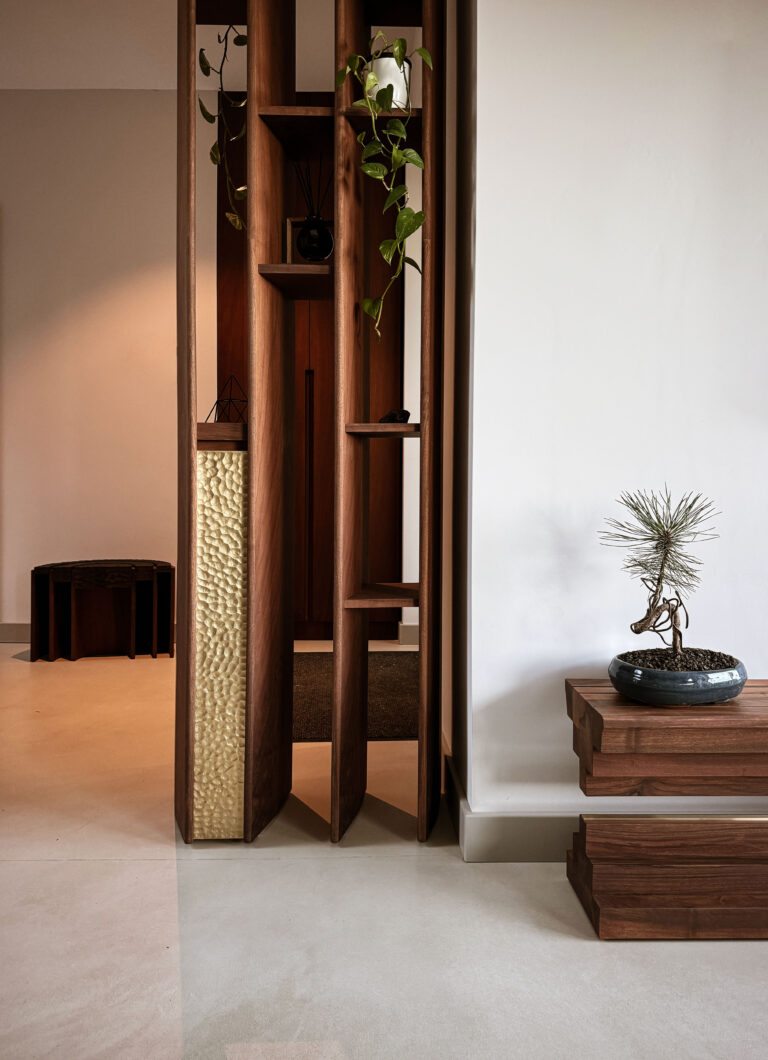
RIFT, Divider system
A vertical room divider defined by a refined structural rhythm, balancing slender lightness with a stable, grounded presence.
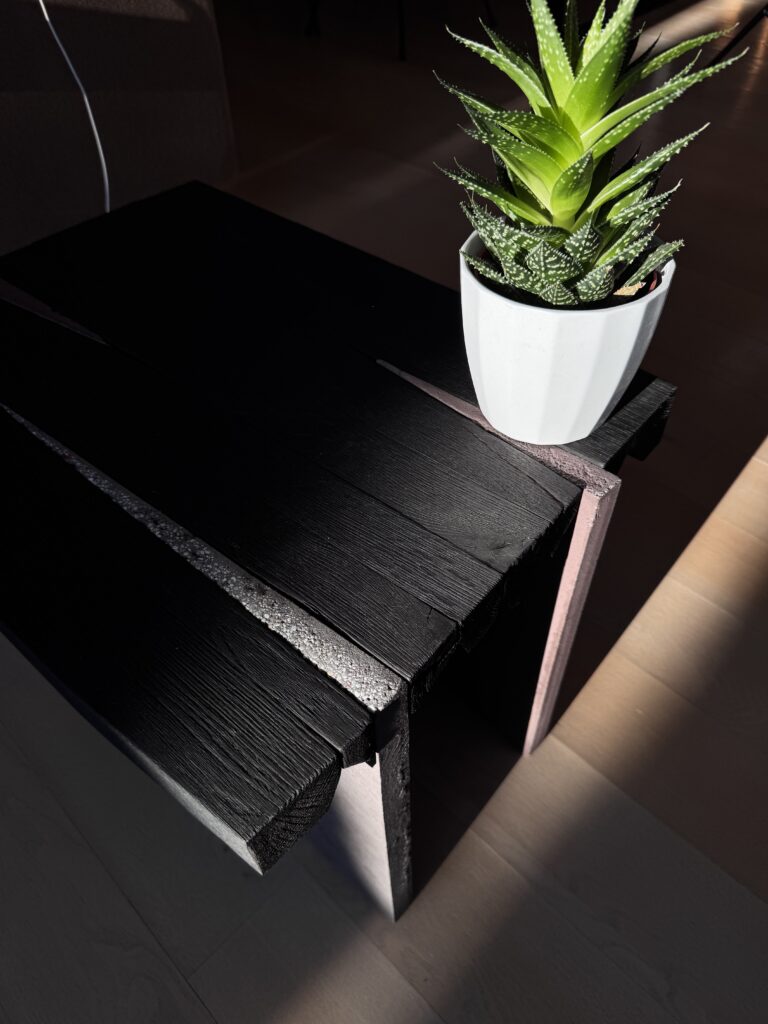
CARBON, Side table
An experimental side table defined by material contrast — balancing charred wood and raw concrete, surface and mass.
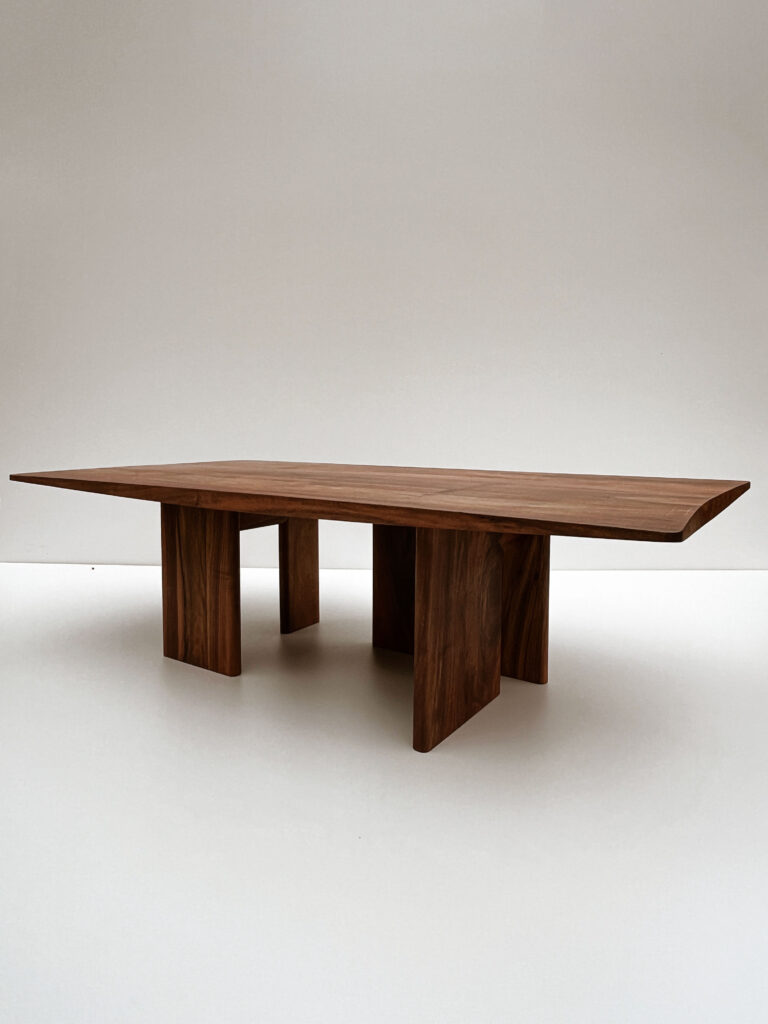
COVE, Coffee table
A table defined by balanced proportions and soft transitions — where solid mass meets a quiet sense of movement, offering a calm, timeless presence in any space.